I've been mulling this topic for a while, and, to be honest, didn't think I had a lot to say on this yet. Turns out I have at least two posts. This is part 1.
Are you there, God? It’s me, Me. (part 1)

Musings of a woman who happens to be transgender
I've been mulling this topic for a while, and, to be honest, didn't think I had a lot to say on this yet. Turns out I have at least two posts. This is part 1.
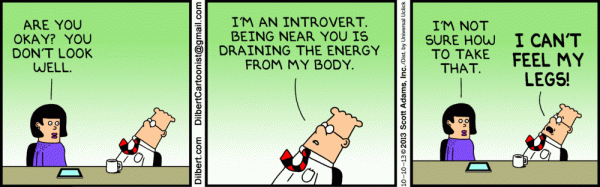
With 33-50% of humans being introverts, it's important to understand who we are, how to engage with us, and to give us the space we need to recharge.

Over the past year, I've come across a number of images which, for one reason or another, stuck a chord with me, so I collected them. I'm sharing some of them with you.

...it's a sense that I will never fit in to either of the binary genders in a way that allows me to feel I am expressing my true self, and at the same time, be affirmed and accepted as that gender.

You are probably familiar with the 5 Stages of Grief. It occurred to me early on in my realization of my gender that I'm working through these stages as well.
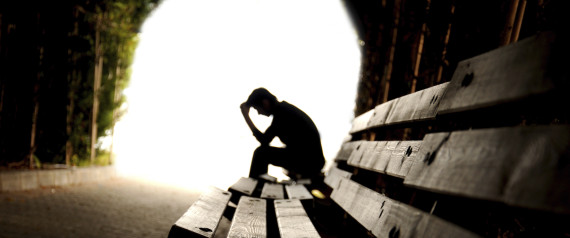
In western cultures, mental health is largely misunderstood and often ignored. Those with mental conditions are often stigmatized.

Really, the only thing happening is one of you is getting to live a more genuine (and hopefully happier) life. Isn't that cause for celebration?

The next time you visit a doctor, consider the number of people who, one way or another, become aware of your medical status, either by direct knowledge, or by inference or even happenstance.

A person successfully and convincingly presenting themselves as a cisgender member of a gender they were not assigned at birth is called "passing". Passing is a complicated and controversial topic, partly because of the issues that it raises for both those who can and cannot pass. It's also a philosophical issue, a safety issue, and a social issue (and a variety of other categories).
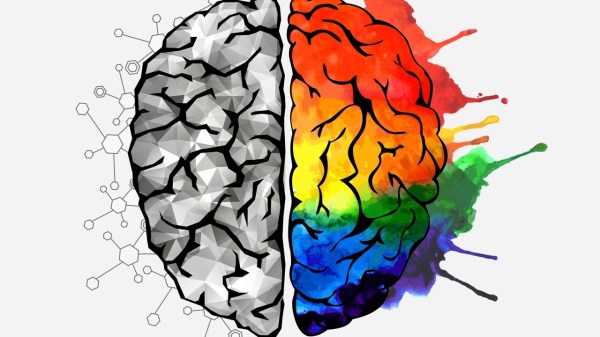
Is gender dysphoria a mental disorder?
 Gender World